

Citizenship by origin
For people with a Vietnamese parent or documented family origin.
Citizenship through heritage
If a parent or grandparent was a Vietnamese citizen, or you held Vietnamese nationality yourself before, there is often a route open to you. Four of them cover most families: descent through a parent, a certificate of Vietnamese origin where the proof sits in old records, restoration for former citizens, and confirmation of a nationality you never actually lost. The first step is a review of what you already hold: the names, the dates, and the record that ties your family to Vietnam.
Send us your family's story. We map the route, chase the records and build the dossier.
For people with a Vietnamese parent or documented family origin.
For people who previously held Vietnamese citizenship.
For Viet Kieu reconnecting with their country of origin.
Every history is reviewed individually before a pathway is proposed.
Paths shaped by family history
These common situations show why citizenship guidance must start with the person, not a checklist.

Return through origin
A person born abroad may still have a meaningful route through a Vietnamese parent and preserved civil records.

Connection through a parent
When a parent’s Vietnamese identity can be documented, family history becomes the foundation of the case.
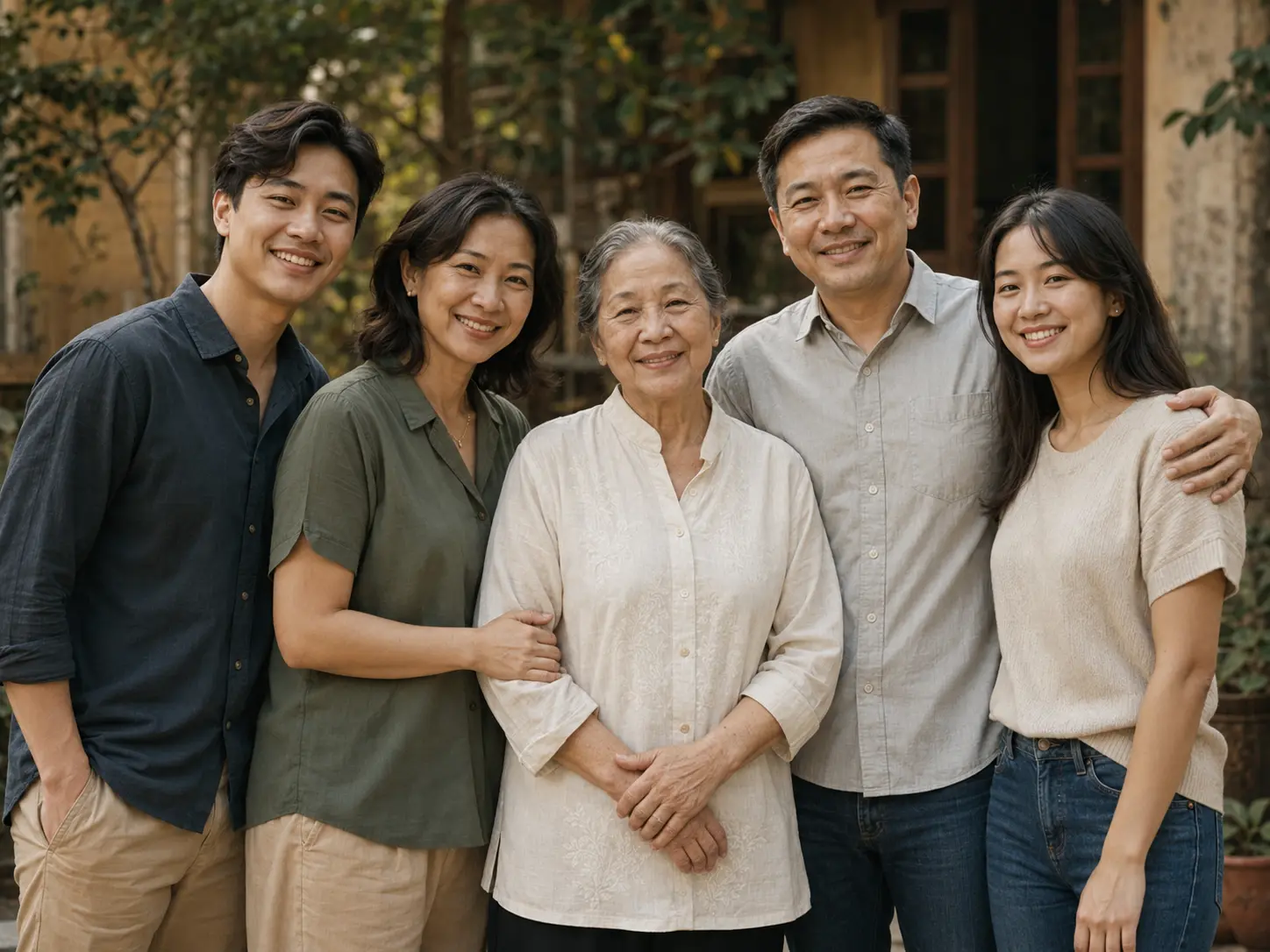
A family decision
One careful document strategy can help a family understand how citizenship pathways differ across generations.
Start with the right basis
Eligibility depends on your personal facts, your family records and the citizenship status of the people connecting you to Vietnam. To read around the three routes before you ask: citizenship by descent covers the parent route, restoration covers people who held Vietnamese nationality before, and the certificate of origin covers the records route.

You may have a pathway when at least one parent is or was documented as a Vietnamese citizen.
Review this pathway
You may have a restoration pathway if you previously held Vietnamese citizenship.
Review this pathway
You may have a route through ancestry, civil records or other evidence connecting your family to Vietnam.
Review this pathwayOur approach
Citizenship cases are built from civil records, family relationships and legal requirements. But behind every document is a personal history that deserves to be understood correctly.
We combine structured document planning with calm, culturally informed guidance from the first review through the completed dossier.
Understand our process
A structured case strategy
Each stage creates clarity before the next begins.
We understand your history, identify the possible legal basis and flag missing evidence.
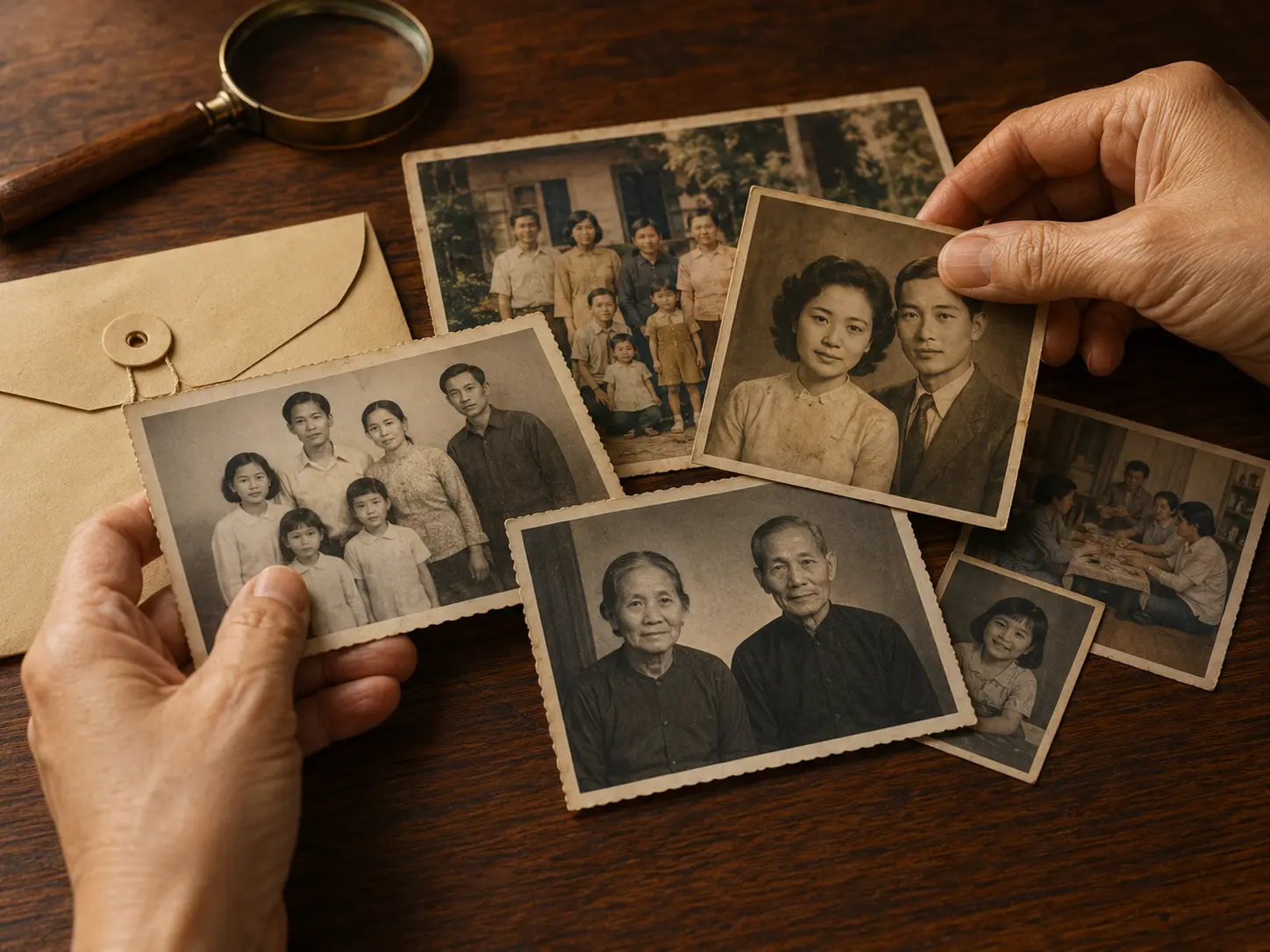
You receive a personalized record plan connecting each document to its purpose.

Records are reviewed, organized and prepared into a coherent application file.

You receive clear updates and practical guidance as the application progresses.

Common questions
General answers help you prepare, but final eligibility always depends on the facts and documents in your individual case. The full FAQ holds 91 of the questions families ask most, from birth registration abroad to dual nationality.
The four routes that cover most families are citizenship by descent through a Vietnamese parent, a certificate of Vietnamese origin built from old records, restoration for people who held Vietnamese nationality before, and confirmation of nationality for people who never actually lost it. Spouses, children, parents and grandparents of Vietnamese citizens naturalize without the residence, language and income conditions, as the 2025 nationality law sets them out. Which route fits you comes out of the documents, so that review is the first step.
Start with the paper that names your Vietnamese parent: their birth record, their Vietnamese identity card, family register pages, or papers issued by the old South Vietnamese administration or by Vietnamese authorities before July 2009. Where the parent-child link was never registered, the file can be built on a legal DNA result or on a written undertaking supported by two witnesses, which the parentage page explains. Naturalization files also carry a foreign criminal record certificate issued within 90 days before filing, and every foreign document needs a certified Vietnamese translation.
The published clock and the real calendar are two different things. In-country naturalization is published at 105 days from a complete dossier, and the statutory steps add up to about four months on paper. Files that actually finish usually run twelve to twenty-four months, because the President signs the decisions in batches and a request for one more document gives you nine months to answer it, outside the published time. Fees are 3,000,000 VND for naturalization and 2,500,000 VND for restoration, before translations and legalisation. The costs and timing page breaks the chain down step by step.
It depends on two things: the law of the country you are a citizen of now, and a retention decision from the President. Article 19.6 of Law 79/2025/QH15 sets out the conditions for a naturalization applicant, Article 23.5 for someone restoring former citizenship, and each request is decided case by case. Anyone who naturalized abroad before 1 July 2009 has a different question to settle first, which the 2009 line page walks through.
The language condition is waived for a longer list of people than most applicants expect: spouses and biological children of Vietnamese citizens, their parents, grandparents where both sides of the family are Vietnamese citizens, people with special merit or whose naturalization benefits the state, and minors applying together with a parent. Outside those cases the file has to show Vietnamese ability. Anyone who naturalizes also takes a name in Vietnamese or in an ethnic language of Vietnam, and a combined name where a foreign nationality is kept, which the naming page explains.

Private case assessment
Every journey begins with a conversation. Share the outline of your family history and receive a focused first assessment.
Request a private assessment

